
ACCESS
Klimaendringer, økonomi og samfunn i Arktis
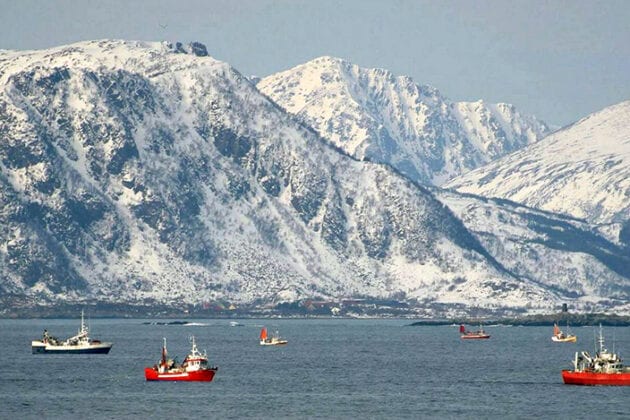
Hvordan påvirker klimaendringene de arktiske næringene fiskeri, olje- og gassutvinning og transport? Prosjektets mål er å tallfeste dette.
Start
01. mar 2011
Slutt
28. feb 2015
Finansiert av
EU - 7. rammeprogram
Samarbeid
Koordinator er UPMC (Université Pierre et Marie Curie) i Frankrike. Prosjektet har 27 partnere.
Prosjektleder(e):
Nofima utfører en del av et stort EU-samarbeidsprosjekt under 7. rammeprogram. Målet er å kvantifisere klimaendringenes påvirkning på arktiske næringssektorer (Ocean 2010-1: ”Quantification of climate change impacts on economic sectors in the Arctic”) – med hovedvekt på fiskeri, olje- og gassutvinning og transport.
Vi leder arbeidspakken som omhandler fiskerier (WP 3) der vi analyserer hvordan klimaendringer kan tenkes å påvirke utbredelsen av fisk og dermed fiskeriaktiviteten, og mulige konsekvenser for oppdrett. Vi ser også på hvordan fisket indirekte kan påvirkes gjennom at forbrukernes miljøbevissthet endrer deres etterspørsel, og hvordan myndighetenes eventuelle tiltak for å redusere utslipp av klimagasser kan påvirke tilspasningene i fiske.
Internasjonalt samarbeid
I vår arbeidspakke deltar forskere fra Sverige, Finland, Russland, Irland og Spania, mens konsortiet i tillegg har deltakere fra Frankrike, Tyskland og Storbritannia. Til sammen er det 27 involverte institutter/partnere i prosjektet. Prosjektet koordineres av UPMC (Université Pierre et Marie Curie) i Frankrike. Med på laget er også Arne Eide (førsteamanuensis ved NFH/UiTø) som er i en professor II-stilling ved Nofima. Han har deltatt i flere liknende EU-prosjekter og vil være sentral i modelleringsarbeidet.
Publikasjoner
Temaer
Klimaendringer
Filer og Lenker